
Home › Kids' Dentistry › Dental Sealants
Kids' dentistry · Prevention
Dental Sealants for Kids in Seoul
Dental sealants are thin, tooth-coloured coatings painted into the deep grooves of back teeth to keep out food and germs. They are usually placed on permanent molars soon after they appear, around age 6 and again around age 12. At Yonsei Baro near Isu Station, Seoul, Dr. Ho-seon Lee places them without injections or drilling.
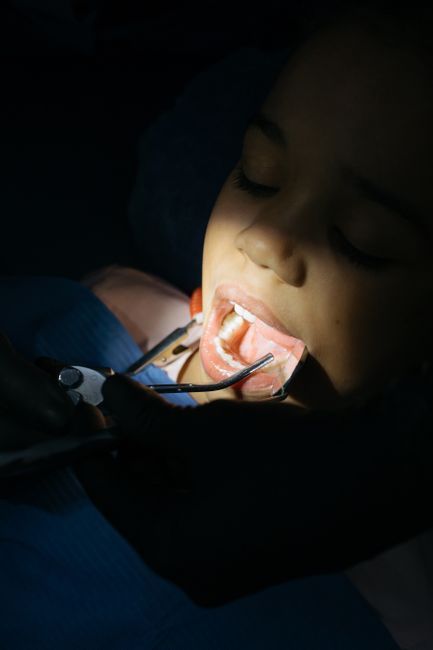
Dental sealants at a glance
| Question | At Yonsei Baro |
|---|---|
| What they are | A thin, tooth-coloured resin coating that seals the grooves on the chewing surfaces of back teeth |
| Typical timing | First permanent molars around age 6; second permanent molars around age 12 |
| The procedure | A few minutes per tooth: clean, prepare, paint on, set with a light. No injections or drilling |
| How long they last | Several years with regular checks; worn or chipped sealants can be repaired |
| NHIS | May be covered for enrolled children on permanent molars, depending on age and conditions; we confirm at your visit |
Why do back teeth need sealants?
The chewing surfaces of molars are covered in pits and grooves. Many are narrower than a single toothbrush bristle, so food and plaque can sit inside them even when a child brushes well. That is why many cavities in children's permanent teeth start on these biting surfaces.
A sealant flows into the grooves and hardens into a smooth, protective layer. Brushing becomes easier and bacteria lose their hiding places. Research reviewed by the American Dental Association and the American Academy of Pediatric Dentistry shows that sealants reduce decay on the chewing surfaces of permanent molars in children and adolescents.
Sealants work alongside, not instead of, other prevention. Fluoride varnish helps protect the smooth sides of teeth, while sealants protect the grooves. Brushing twice a day with fluoride toothpaste and limiting sugary snacks still matter.
When should children get sealants?
Timing follows the arrival of permanent molars. Every child is different, but as a general guide:
- Around age 6: the first permanent molars come through behind the baby teeth. Many parents don't notice them, because no baby tooth falls out to make room.
- Around age 12: the second permanent molars arrive further back.
- Other teeth: premolars or baby molars with deep grooves are sometimes sealed if a child is at higher risk of decay.
Ideally, sealants are placed soon after a molar has fully come through, before decay has a chance to start. Dr. Ho-seon Lee checks for newly erupted molars at each check-up and will let you know when a tooth is ready.
What happens when sealants are placed?
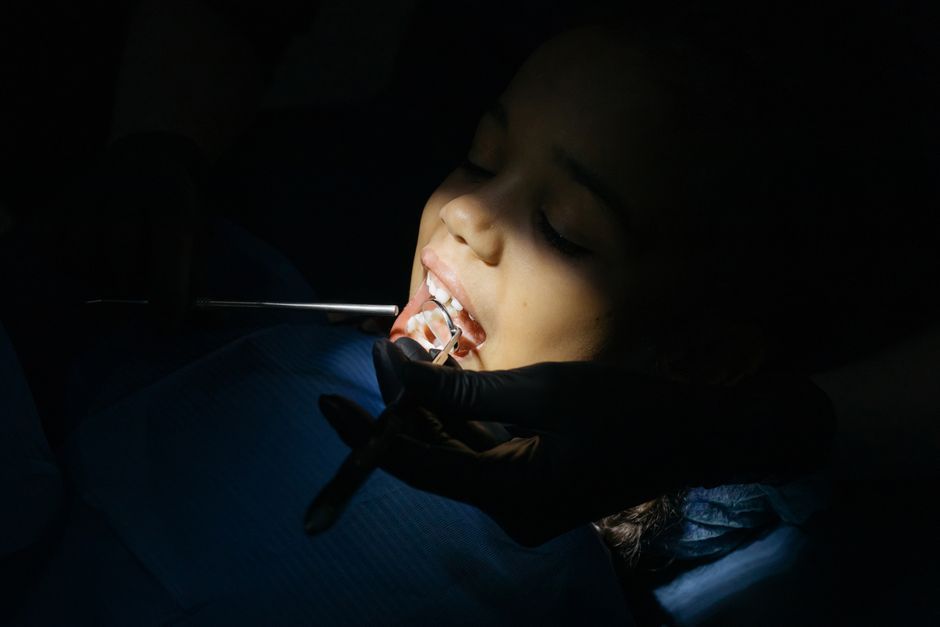
Sealing usually takes a few minutes per tooth, and many children find it easy.
- The tooth is cleaned and checked to make sure there is no decay underneath.
- The chewing surface is gently prepared with a mild solution so the sealant can bond, then rinsed and dried.
- The liquid sealant is painted into the grooves.
- A blue curing light hardens it in seconds.
- The bite is checked and any high spots are smoothed.
There are no injections and no drilling. Your child can eat and drink normally straight afterwards.
Are dental sealants safe?
Yes. Sealants have been used for decades and are recommended by the ADA and AAPD for children at risk of decay. Some parents ask about BPA: studies show the exposure from a sealant is extremely small, and the ADA considers sealants safe. Tell us about any concerns or allergies and Dr. Ho-seon Lee will discuss them with you.
How long do sealants last?
Sealants can protect teeth for several years, but they can wear or chip with chewing. We check them at every check-up and repair any that have worn, which is quick and simple. Avoiding chewing ice and very hard sweets helps them last longer.
Teeth that already have a cavity need a filling rather than a sealant.
Does National Health Insurance cover sealants?
For children enrolled in Korea's National Health Insurance (NHIS), sealants on permanent molars may be covered, depending on the child's age and conditions. Eligibility and any co-payment are confirmed at your visit. If your family is newly arrived, NHIS enrolment rules for foreign residents can be found on our NHIS guide for foreign residents .
Let us know when you book that you'd like English support — Dr. Sally Chaekyung Lee and our team can help explain your child's care in English. Contact us for pediatric dentistry appointment times. If you have private or overseas insurance, we can provide English receipts on request; see insurance and receipts .
Dental sealant FAQs
At what age should my child get dental sealants?
Sealants are usually placed on the first permanent molars soon after they come through, around age 6, and on the second permanent molars around age 12. Timing varies between children, so Dr. Ho-seon Lee checks for newly erupted molars at each check-up and recommends sealing when a tooth is fully through and free of decay.
Does getting a sealant hurt?
No injection or drilling is needed. The tooth is cleaned, a mild solution prepares the surface, the sealant is painted on and a light hardens it. Some children dislike the taste of the preparation solution or keeping their mouth open, but many manage easily. Each tooth takes a few minutes.
Can sealants be put on baby teeth?
Sometimes. Sealants are mainly used on permanent molars, but baby molars with deep grooves may be sealed if your child is at higher risk of cavities. Dr. Ho-seon Lee will assess your child's teeth and risk at the examination and explain whether sealing any baby teeth would be worthwhile.
Can my child eat normally after sealants?
Yes. The sealant is fully hardened by the curing light before your child leaves the chair, so they can eat and drink straight away. The bite may feel slightly different for a day, which usually settles quickly. Let us know if it still feels high after a few days so we can adjust it.
Are sealants covered by Korea's National Health Insurance?
For children enrolled in NHIS, sealants on permanent molars may be covered depending on age and conditions. Because eligibility and co-payments depend on your child's circumstances, we confirm coverage at your visit. Families without NHIS can ask for English receipts for private or overseas insurance claims.
Medically reviewed by Dr. Ho-seon Lee
Board-certified pediatric dentist (Korea Ministry of Health and Welfare) · Director of Pediatric Dentistry · Last updated October 2026
This page is general information, not a diagnosis. Every child is different; your child's dentist will recommend care after an examination. In an emergency involving breathing, heavy bleeding, a head injury or facial swelling spreading toward the eye or neck, call 119.
Protect your child's new molars
Book a check-up and we'll see whether your child's molars are ready for sealants. Let us know you'd like English support. Isu Station Exit 2, Seoul · Contact us for pediatric dentistry appointment times.