
Home › Kids' Dentistry › Laughing Gas
Kids' dentistry · Comfort & sedation
Laughing Gas (Nitrous Oxide) for Children in Seoul
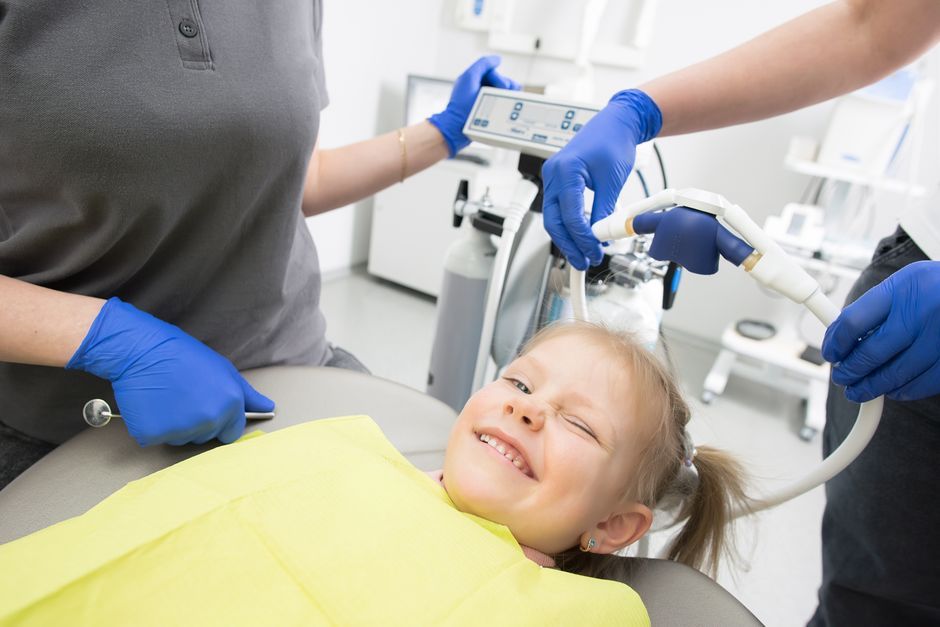
Laughing gas (nitrous oxide) is a mild sedative that helps children feel calm and relaxed during dental treatment. Your child stays awake, breathes it through a small nose mask, and it wears off quickly afterwards. At Yonsei Baro near Isu Station, Seoul, pediatric dentist Dr. Ho-seon Lee assesses whether it suits your child.
Laughing gas at a glance
| Question | At Yonsei Baro |
|---|---|
| What it is | Nitrous oxide mixed with oxygen, breathed through a small mask over the nose |
| How it feels | Relaxed, calm, sometimes tingly or floaty; your child stays awake and can talk |
| Wears off | Within minutes of breathing pure oxygen at the end of treatment |
| Suitable for | Some anxious or nervous children who can breathe through the nose; not right for every child |
| Not the same as | General anaesthesia — your child is not put to sleep |
What is laughing gas, and how does it help?
Laughing gas is the common name for nitrous oxide. Mixed with oxygen and breathed in through the nose, it gently takes the edge off anxiety. Many children feel relaxed, a little floaty, or tingly in their fingers and toes; some giggle, which is where the nickname comes from.
Nitrous oxide is a form of mild (minimal) sedation. Your child stays awake, can hear and respond to the dentist, and keeps normal reflexes such as swallowing and coughing. It does not replace local anaesthetic for numbing a tooth; it helps your child feel calmer so treatment is easier to cope with.
The American Academy of Pediatric Dentistry describes nitrous oxide/oxygen inhalation as a safe and effective way to reduce anxiety for suitable children when it is used by trained dental professionals with appropriate monitoring.
Which children may benefit from laughing gas?
Laughing gas is one of several ways we help children feel comfortable. It may be considered for children who:
- feel nervous or anxious about dental treatment;
- have a strong gag reflex;
- need a longer appointment, for example several fillings;
- find it hard to sit still, or who have had a difficult experience before (see helping anxious children ).
It is not suitable for every child. Because the gas is breathed through the nose, it works poorly if your child has a blocked nose, a heavy cold or enlarged adenoids. Some medical conditions and medicines also mean nitrous oxide should not be used, and some young children won't accept the nose mask. Dr. Ho-seon Lee will review your child's health history and examine them before recommending it.
What happens during treatment with laughing gas?
- Pediatric dentists commonly explain the “special air” to a child in simple, friendly words and let them choose to try the mask; ask us at booking how your child’s visit will be paced.
- A small, soft mask is placed over the nose. Your child first breathes pure oxygen, then a mix of oxygen and nitrous oxide.
- Within a few minutes, many children start to feel relaxed. The dentist adjusts the level and monitors your child throughout.
- Treatment goes ahead, with local anaesthetic for numbing where needed. Your child can talk and respond throughout.
- At the end, your child breathes pure oxygen for a few minutes, which clears the gas quickly.
You'll usually be able to stay nearby so your child sees a familiar face.
How to prepare your child
- Eating: a light meal a couple of hours before is generally advised, rather than a large meal or an empty stomach. Follow the specific instructions we give you when booking.
- Health update: tell us about any colds, blocked nose, ear infections, asthma, medical conditions or medicines.
- Words: describe it simply, for example “a special air that helps you feel relaxed”. Avoid words like “needle” or “sleep”.
- Comfort: bring a favourite toy and plan a calm afternoon.
After laughing gas: what parents can expect
Because nitrous oxide wears off quickly once the oxygen is given, children are usually alert and steady soon after treatment. A few feel briefly dizzy, tired or a little nauseous. Keep the rest of the day low-key and offer light food. If local anaesthetic was used, watch that your child doesn't bite their numb lip or cheek.
Contact us if anything worries you after the visit.
Laughing gas is not general anaesthesia
Parents sometimes confuse laughing gas with being “put to sleep”. They are very different. With nitrous oxide, your child is awake, breathing on their own and able to talk. The effect is mild and fades within minutes once the gas is switched off. The sedation we offer for children at Yonsei Baro is laughing gas.
Let us know when you book that you'd like English support — Dr. Sally Chaekyung Lee and our team can help explain your child's care in English. Contact us for pediatric dentistry appointment times. Laughing gas is often used alongside fillings or crowns for baby teeth , and we can talk it through at a check-up first.
Laughing gas FAQs
Is laughing gas safe for children?
When used by trained dental professionals with appropriate monitoring, nitrous oxide is considered a safe, well-established option for suitable children, and the AAPD supports its use. Your child stays awake and breathing normally, and the effect fades quickly once oxygen is given. Dr. Ho-seon Lee checks your child's health history first, because it is not right for everyone.
Will my child be asleep with laughing gas?
No. Laughing gas is mild sedation, not general anaesthesia. Your child stays awake, can hear the dentist, answer questions and follow simple instructions. Many children simply feel calmer and more relaxed. Some feel a pleasant tingling or floating feeling, and a few giggle. They remember the visit, usually as more comfortable than they expected.
Can my child eat before laughing gas?
A light meal a couple of hours before the appointment is generally advised, as a heavy meal can make nausea more likely and an empty stomach can make children feel unwell. Because instructions can vary with each child's health and the planned treatment, please follow the specific guidance we give you when booking.
Why might laughing gas not be suitable for my child?
The gas is breathed through the nose, so a blocked nose, heavy cold or enlarged adenoids can stop it working well. Some medical conditions and medicines also rule it out, and some young children won't accept the nose mask. Dr. Ho-seon Lee will review your child's health, explain whether it is appropriate, and talk through other ways to help your child feel comfortable.
How quickly does laughing gas wear off?
At the end of treatment your child breathes pure oxygen for a few minutes, which clears the nitrous oxide quickly. Children usually feel back to normal shortly afterwards and can go home with you. A few feel briefly tired or slightly queasy, so plan a calm rest of the day and offer light food.
Medically reviewed by Dr. Ho-seon Lee
Board-certified pediatric dentist (Korea Ministry of Health and Welfare) · Director of Pediatric Dentistry · Last updated October 2026
This page is general information, not a diagnosis. Every child is different; your child's dentist will recommend care after an examination. In an emergency involving breathing, heavy bleeding, a head injury or facial swelling spreading toward the eye or neck, call 119.
Ask whether laughing gas could help your child
Tell us about your child's worries and health, and let us know you'd like English support. Isu Station Exit 2, Seoul · Contact us for pediatric dentistry appointment times.