
Technology · Diagnosis & comfort
3D CT and Digital Orthodontic Technology
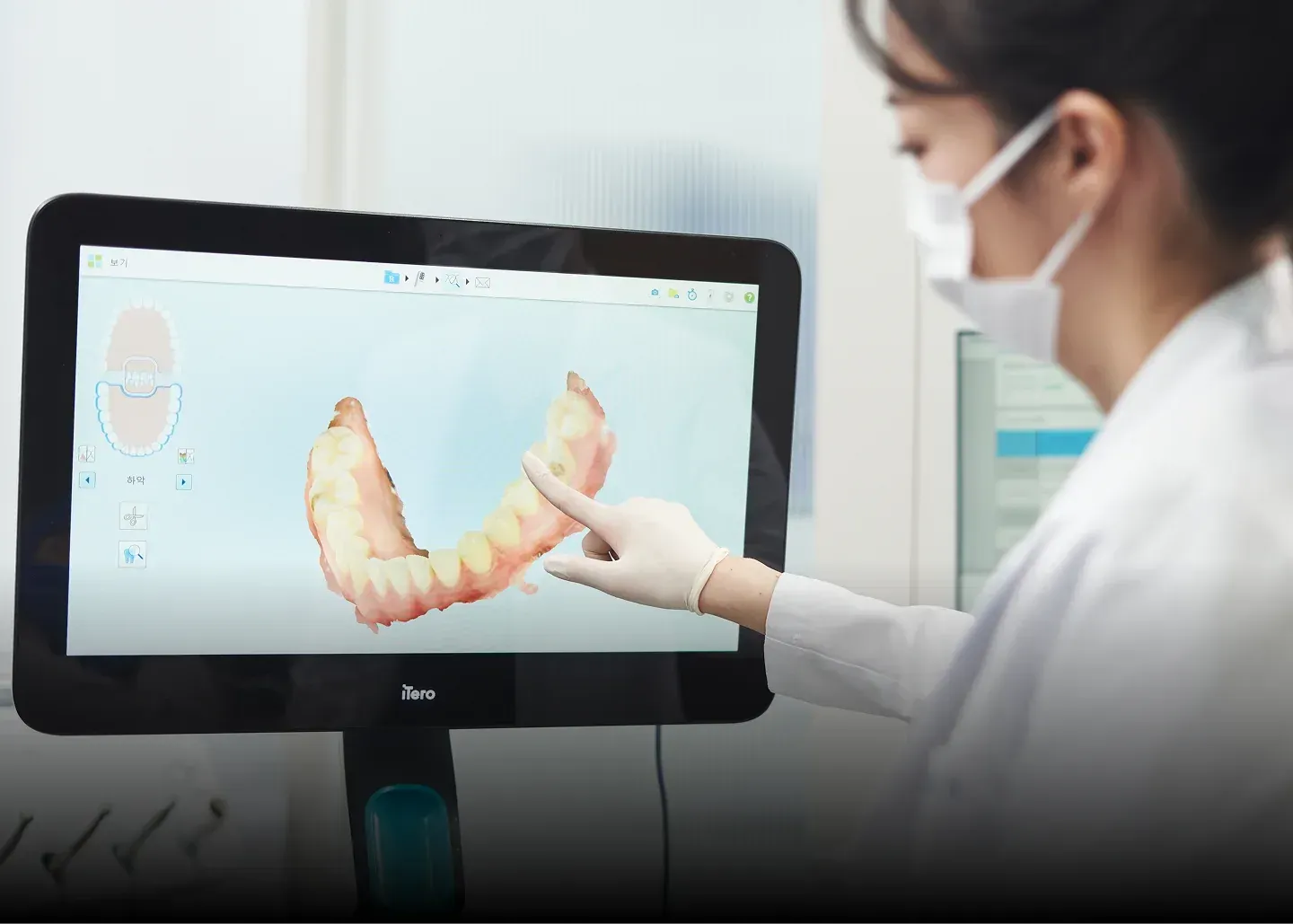
Yonsei Baro at Isu Station, Seoul uses a RAY Quantum 5D 3D CT, a skeletal-maturity analysis program, an intraoral digital scanner, a RAY Face 3D face scanner and NovaCare. Together they let Dr. Sally Chaekyung Lee see roots, bone, growth stage and facial form before planning treatment, and help make the adjustment period more comfortable.
Our technology at a glance
| Technology | What it does for you |
|---|---|
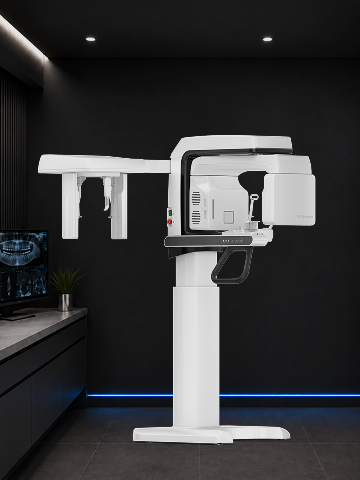
| RAY Quantum 5D CT | 3D images of teeth, roots, jawbone and jaw joints |
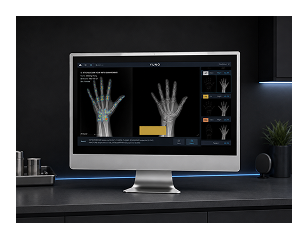
| Growth analysis program | Assesses skeletal (growth-plate) maturity to time treatment for growing children |
| Intraoral digital scanner | 3D models of the teeth without impression putty; used to make appliances and track progress |
| RAY Face 3D face scanner | Records facial form and soft tissue, combined with tooth and skeletal data |
| NovaCare | Used to help reduce discomfort while adapting to braces or aligners |
Why does orthodontic diagnosis need more than a photo?
Moving teeth safely means knowing what is happening below the gum line. Roots must stay within the bone, unerupted teeth need a clear path, and the upper and lower jaws must fit together in a way that stays stable. None of that can be judged from the visible part of the teeth alone.
Dr. Lee’s approach is to diagnose the teeth, bite, roots, skeleton and whole face before recommending anything. The equipment below is how that information is gathered. It does not replace clinical judgement; it gives that judgement better information to work with. Read about our approach to care .
RAY Quantum 5D CT: seeing roots, bone and joints in 3D
A cone-beam CT (CBCT) builds a three-dimensional image of the teeth, jawbone and jaw joints in a single short scan. Dr. Lee can rotate and slice the image to check how much bone surrounds each root, where an impacted or high canine sits, and whether the jaws are symmetrical.
Like any X-ray, a CT scan involves radiation, so it is taken when the information is likely to change the plan, not as a routine for every visit. If you have recent images from another clinic, bring them and Dr. Lee will review them first.
Growth analysis: is this the right time to treat?
For children and young teens, timing can matter as much as technique. Some jaw problems respond to treatment while a child is still growing; others are better left until growth slows. The clinic’s growth-analysis program assesses skeletal (growth-plate) maturity, helping Dr. Lee judge how much growth may remain.
That information supports decisions about growth guidance and early (Phase 1) treatment , including the decision to simply monitor and wait.
Intraoral scanner: no impression putty
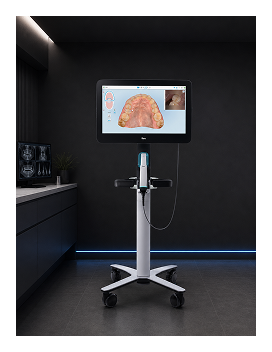
A small handheld wand captures a 3D model of your teeth in a few minutes, so there is no tray of impression material to hold in your mouth. Many people who gag easily find this much easier.
The scans are used to make appliances such as Invisalign aligners and retainers, and to compare your teeth over time so Dr. Lee can see whether they are moving as planned. If you move abroad, scans can be shared in standard digital formats with your next orthodontist.
RAY Face: planning the smile around the face
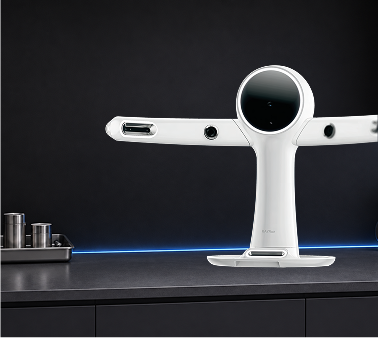
Teeth are part of a face. The RAY Face scanner records facial form and soft tissue in 3D, and that record can be combined with tooth and skeletal data. It helps Dr. Lee see how changes to tooth position might affect lip support and profile, which is especially relevant for protruding mouth and jaw asymmetry concerns.
It reflects the clinic’s philosophy: scientifically precise, aesthetically refined.
NovaCare: support during the adjustment period
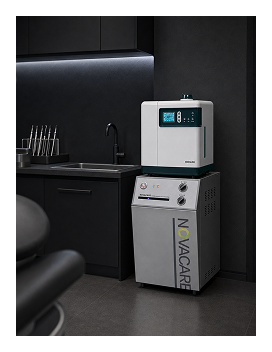
Most people feel pressure or tenderness for a few days after braces are fitted, after an adjustment or when starting a new set of aligners. NovaCare is a device the clinic uses to help reduce that discomfort during the adaptation period.
How much anyone feels varies, and no device removes sensation completely. Ask Dr. Lee whether NovaCare is suitable for you at your fitting visit.
Questions about our technology
Is a dental 3D CT scan safe for children?
A dental cone-beam CT uses X-rays, so the guiding principle is to take one only when the information is likely to change the treatment decision. For children, Dr. Lee weighs the benefit carefully, for example when a canine may be impacted or jaw growth looks uneven. If your child has recent images from another clinic, bring them so unnecessary repeat scans can be avoided.
Does every orthodontic patient need a CT scan?
Not necessarily. The records needed depend on age, the problem being treated and any images you already have. Many cases benefit from 3D information about roots and bone, but Dr. Lee decides case by case at the first examination and explains why a scan is or is not being recommended.
How is my child’s growth stage measured?
The clinic uses a growth-plate analysis program to assess skeletal maturity rather than relying on age or height alone. Combined with the clinical examination, it helps Dr. Lee judge whether a child is approaching or past a period of faster growth, which affects whether growth guidance, early treatment or simply monitoring makes most sense.
Can I take copies of my digital scans and X-rays abroad?
Yes. If you transfer to another orthodontist, we prepare your records in English, including digital 3D scans in standard formats, X-rays and photographs, along with your diagnosis, plan and progress notes. Tell us your departure date early so everything is ready in time.
Medically reviewed by Dr. Sally Chaekyung Lee, DDS, PhD
Board-certified orthodontist (Korea Ministry of Health and Welfare) · Adjunct Professor of Orthodontics, Yonsei University · Last updated October 2026
This page is general information, not a diagnosis. Treatment results and duration vary from person to person. Orthodontic treatment can cause temporary discomfort and, in some cases, root shortening, gum recession or tooth decay if oral hygiene is poor; teeth can relapse if retainers are not worn as instructed.
See your teeth in 3D
Book a first examination and Dr. Lee will show you what the scans reveal and explain your options in English. Isu Station Exit 2 · Open until 9 PM Mon & Thu · Saturdays 9 AM–2 PM.