
Our approach · Orthodontic care
One Orthodontist, Start to Finish
At Yonsei Baro, the orthodontist who examines you is the orthodontist who treats you. Dr. Sally Chaekyung Lee, a board-certified orthodontist at Isu Station, Seoul, personally leads every consultation, diagnosis, adjustment and retainer check, and explains each step in English. Care follows four steps: consultation, diagnosis beyond the teeth, doctor-led treatment and aftercare.
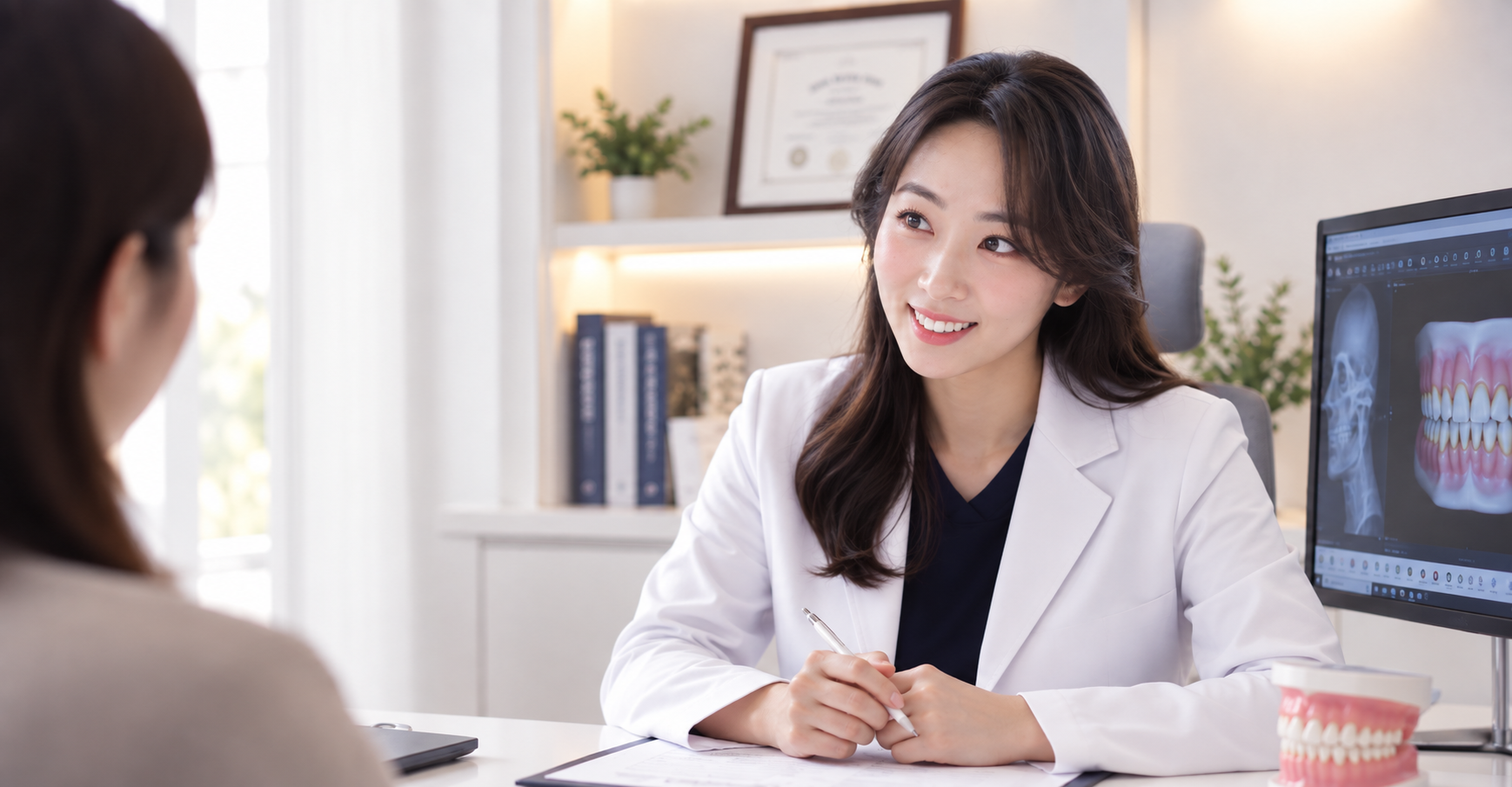
Our approach at a glance
| Question | At Yonsei Baro |
|---|---|
| Your orthodontist | Dr. Sally Chaekyung Lee, from the first consultation to debonding and retainer checks |
| First examination | About 60 minutes: digital scan, X-rays or 3D CT, photographs and a clinical exam |
| What is assessed | Teeth, bite, roots, jaw skeleton, jaw joints and overall facial balance |
| After the exam | Your diagnosis, options, timeline and a written estimate, explained in English |
| Visits during treatment | Braces about every 4–6 weeks; clear aligners about every 6–10 weeks |
| After treatment | Retainers for every case, with continued retention check-ups |
What does one-to-one orthodontic care mean?
Orthodontic treatment usually runs for many months, and hundreds of small decisions are made along the way: how firmly to move a tooth, when to change a wire, whether an aligner is tracking, when to add an elastic. At Yonsei Baro, all of those decisions are made by one person.
Dr. Sally Chaekyung Lee personally handles each consultation and every treatment explanation. Patients are not passed between doctors for orthodontics, so the person adjusting your braces in month fourteen is the person who designed your plan on day one. She knows why each step was chosen, what you were worried about at the start, and what you are aiming for.
We sum this up simply: the same doctor is waiting for you at every visit. It is a commitment to responsibility as much as convenience. If something does not go to plan, there is one orthodontist who owns the outcome and will explain what happens next.
The four steps of care at Yonsei Baro
Every orthodontic patient, from a seven-year-old to an adult, moves through the same four steps. The details change with age and appliance; the structure does not.
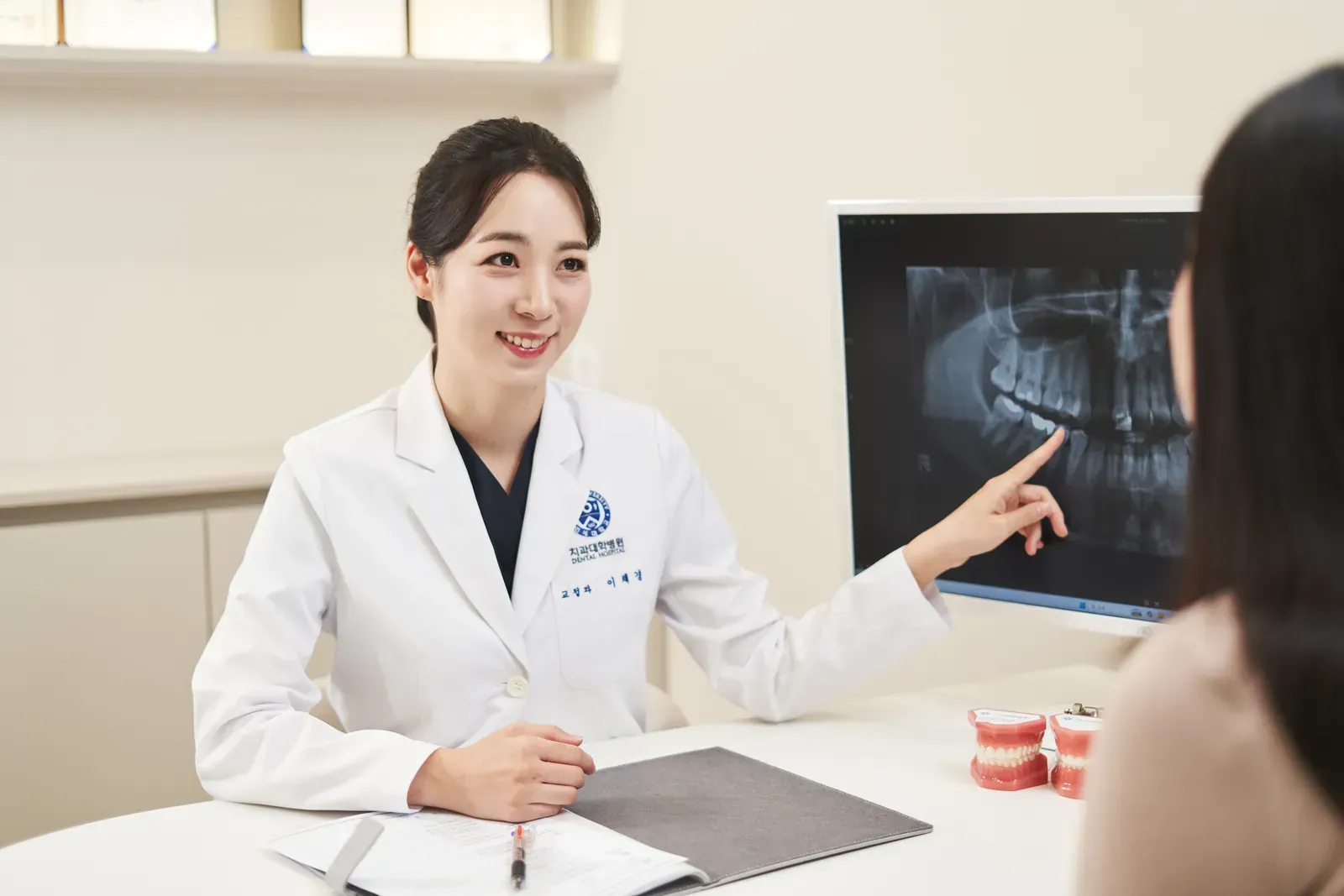
1. Consultation: listening first
The first conversation is about you: what bothers you about your teeth or bite, what you hope to change, and what your life looks like over the next few years. If you may move abroad, tell us your expected departure date now, because it shapes the plan. Dr. Lee answers your questions in English, and parents of younger children are part of every discussion.
2. Diagnosis beyond the teeth
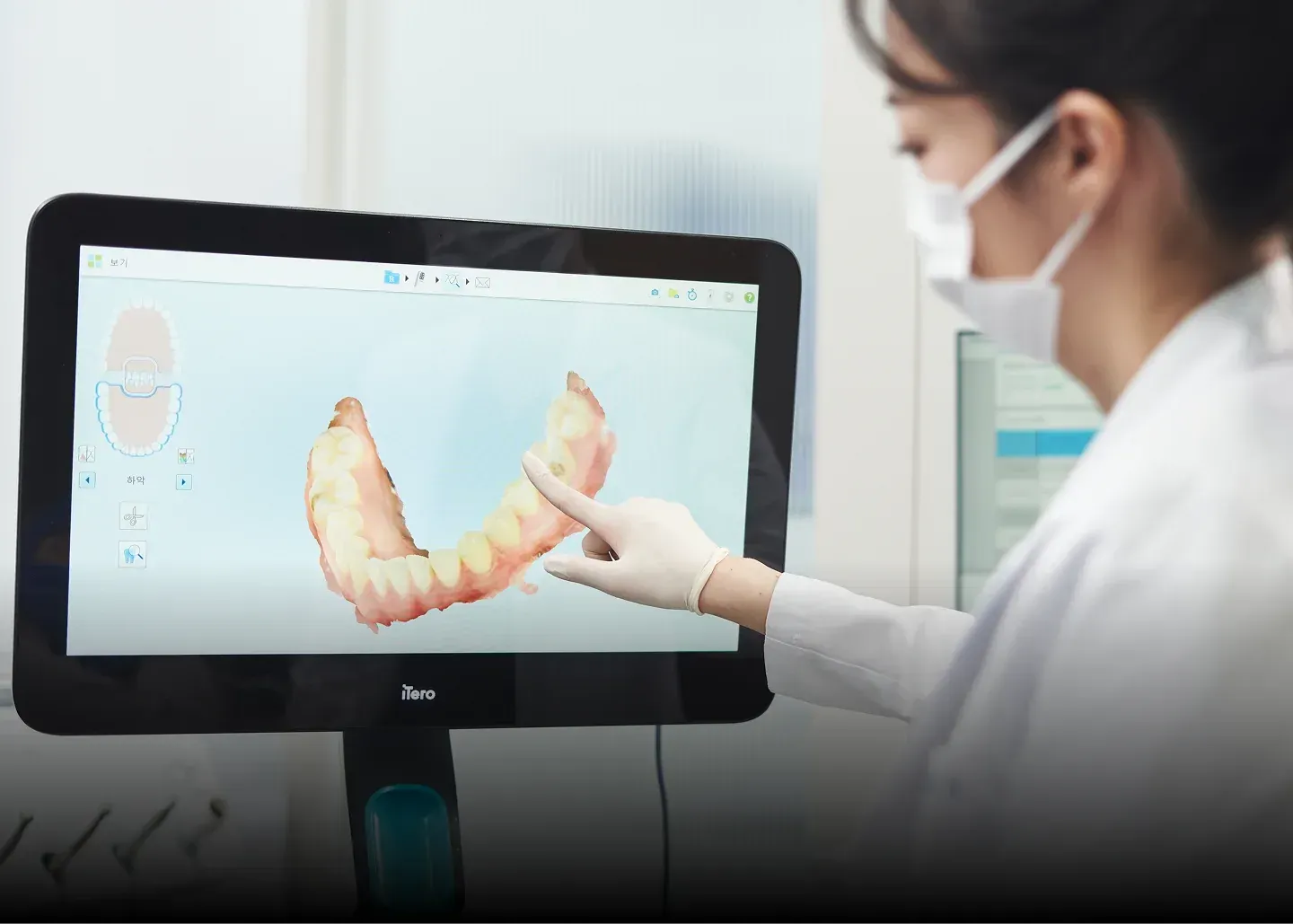
The first examination takes about 60 minutes. Depending on your needs it can include a 3D cone-beam CT, an intraoral digital scan (no impression putty), photographs and a 3D face scan. For growing children, a skeletal-maturity analysis helps judge the timing of treatment. Dr. Lee then studies the teeth, bite, roots, jaw skeleton and the face as a whole before making a recommendation. See the technology behind the diagnosis .
3. Doctor-led treatment
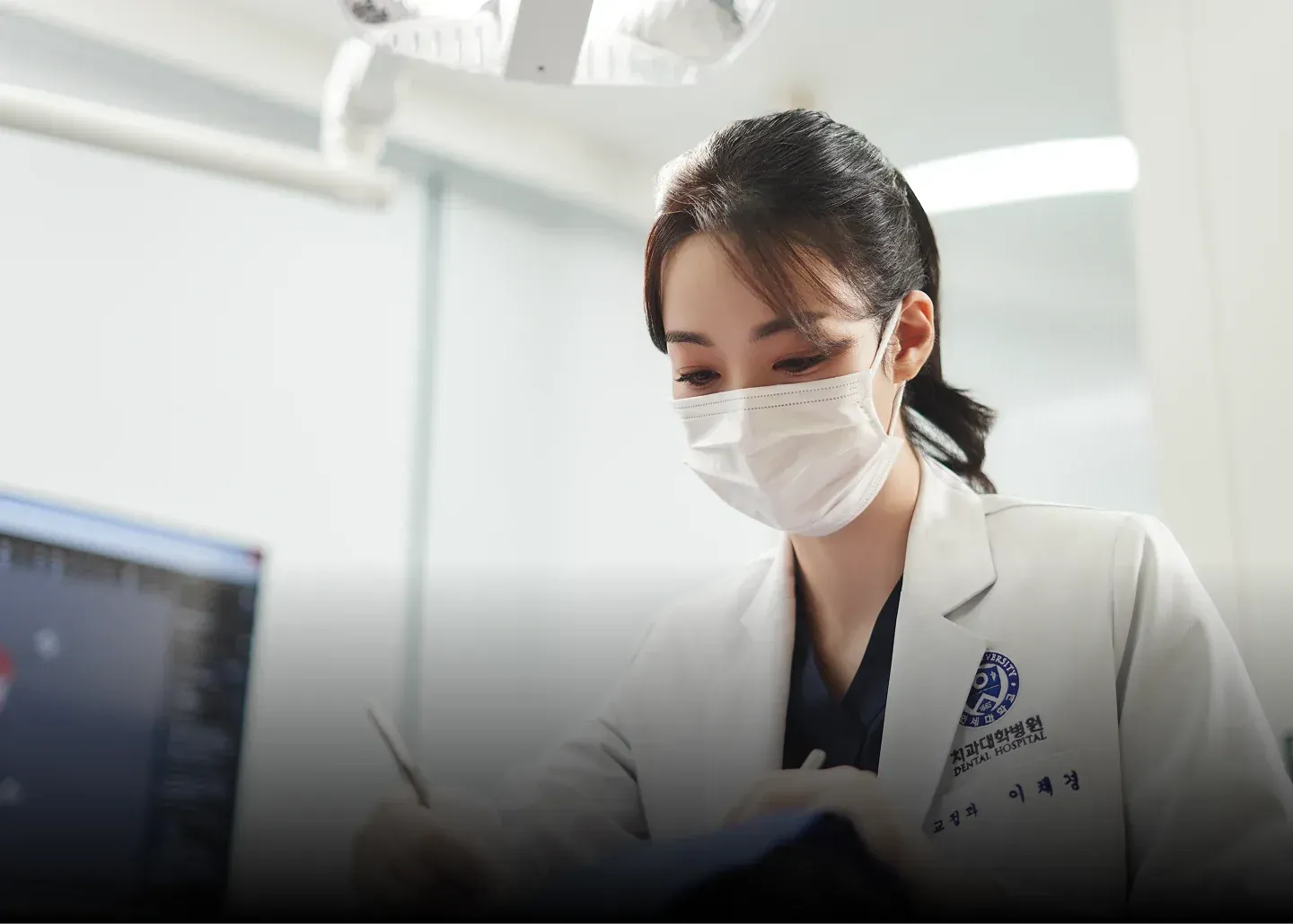
Dr. Lee fits your braces or aligners herself and carries out the adjustments and progress checks: about every 4–6 weeks for braces and every 6–10 weeks for aligners. She compares new digital scans with earlier ones to confirm teeth are moving as planned. If a bracket breaks or an aligner goes missing between visits, send a photo by WhatsApp or KakaoTalk and we will advise you and arrange a visit. What to do if a brace or aligner breaks .
4. Aftercare and retention
Teeth tend to drift after treatment, so every case finishes with retainers and continued retention check-ups. Aftercare is part of the plan, not an afterthought. If you move away later, we provide your retainer records so another orthodontist can look after you.
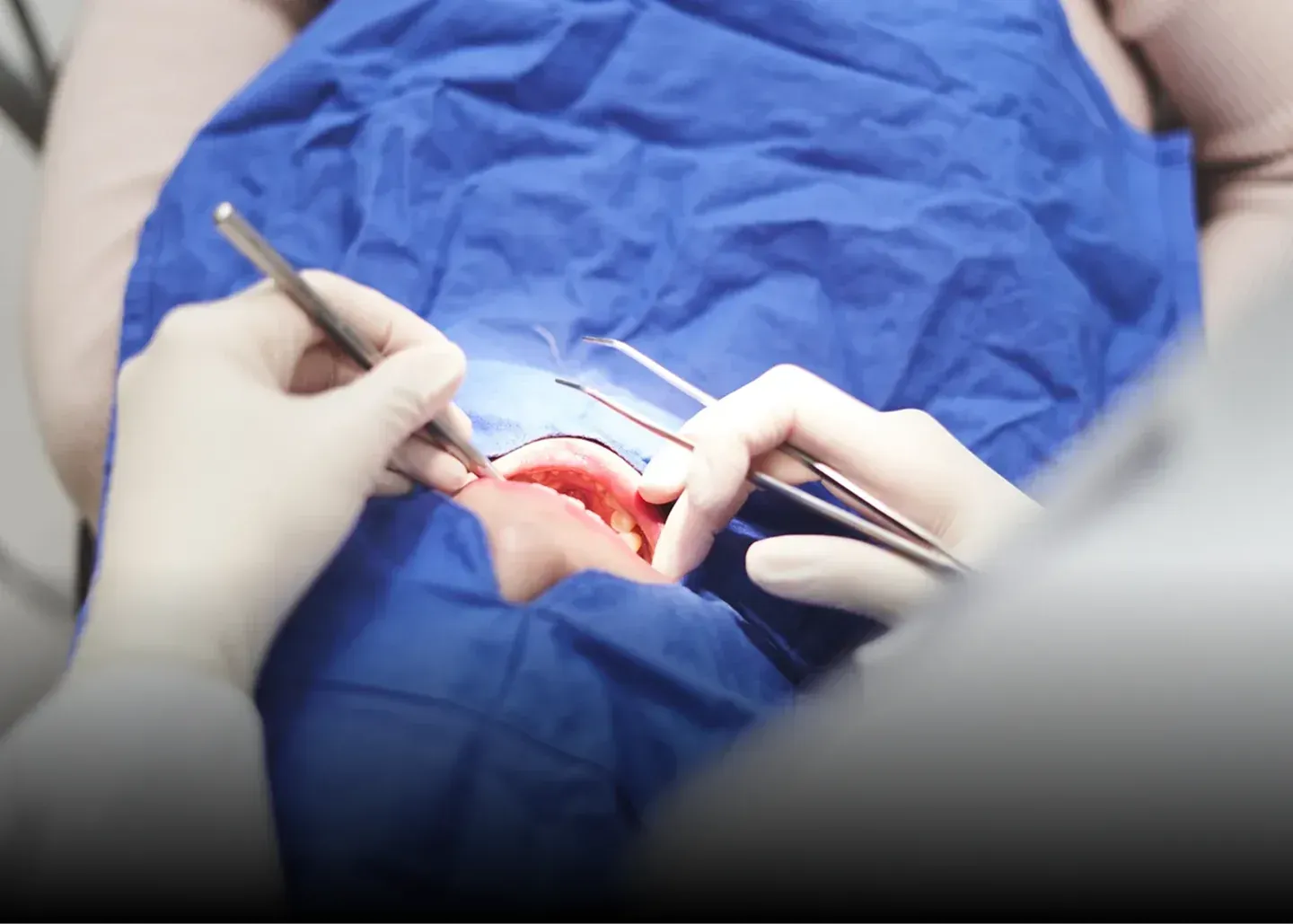
Why does Dr. Lee diagnose the whole face, not just the teeth?
Teeth sit in bone, roots need room to move safely, and the upper and lower jaws must meet in a stable way. A plan that lines up the crowns of the teeth without considering the roots, the skeleton or the lips can look tidy on day one and cause problems later. That is why the diagnosis includes 3D imaging and a look at facial proportions.
Dr. Lee describes her approach as “scientifically precise, aesthetically refined.” The science is the measurements and the biology. The refinement is the judgement about what will suit your face, an eye shaped by years of art training alongside dentistry.
Honest advice, including when to wait
Not every concern needs treatment now. For many children, the right answer is observation until the timing is right . Treating only the front teeth is offered only after confirming it will not harm the overall bite; Dr. Lee explains when limited treatment is reasonable and when it is not.
After your examination you receive the diagnosis, the realistic options, an estimated timeline and a written estimate. There is no pressure to decide on the day.
A personal perspective
Dr. Lee describes herself as a mother before an orthodontist, and that shapes how she talks with children and parents. She also had orthodontic re-treatment herself in her thirties, so she understands what adult patients are weighing up. Read her full profile and training .
Questions about how we work
Will I see the same orthodontist at every appointment?
Yes. Dr. Sally Chaekyung Lee examines you, designs your plan, carries out your adjustments and checks your retainers. Our team supports her at each visit, but patients are not handed between orthodontists. Booking through WhatsApp, KakaoTalk, email or phone all leads to the same doctor.
Why might a 3D CT scan be part of my first orthodontic visit?
A 3D cone-beam CT shows the roots, the surrounding bone, the position of unerupted teeth and the jaw joints, which ordinary photographs cannot. It helps Dr. Lee judge whether teeth have room to move safely and plan the treatment around your skeleton. If you already have recent X-rays, bring them and she will review them first.
What should I bring to the first examination?
Please bring your passport or Residence Card, any recent X-rays or previous orthodontic records, and your current retainers or aligners if you have them. Children should come with a parent or guardian. Allow about 60 minutes for scans, photographs and the examination itself, plus time to talk through the findings.
Do I have to decide on treatment at the consultation?
No. You leave with your diagnosis, the options Dr. Lee considers suitable, an estimated timeline and a written estimate. Many people take time to talk it over at home. For some children, the advice is simply to monitor growth and come back later, and that is a perfectly good outcome of a first visit.
Medically reviewed by Dr. Sally Chaekyung Lee, DDS, PhD
Board-certified orthodontist (Korea Ministry of Health and Welfare) · Adjunct Professor of Orthodontics, Yonsei University · Last updated October 2026
This page is general information, not a diagnosis. Treatment results and duration vary from person to person. Orthodontic treatment can cause temporary discomfort and, in some cases, root shortening, gum recession or tooth decay if oral hygiene is poor; teeth can relapse if retainers are not worn as instructed.
Start with a conversation
Tell us what you would like to change and when you are in Seoul. Dr. Lee will examine you herself and explain your options in English. Isu Station Exit 2 · Open until 9 PM Mon & Thu · Saturdays 9 AM–2 PM.