
Home › Kids' Dentistry › Crowns for Baby Teeth
Kids' dentistry · Treatment
Crowns for Baby Teeth in Seoul
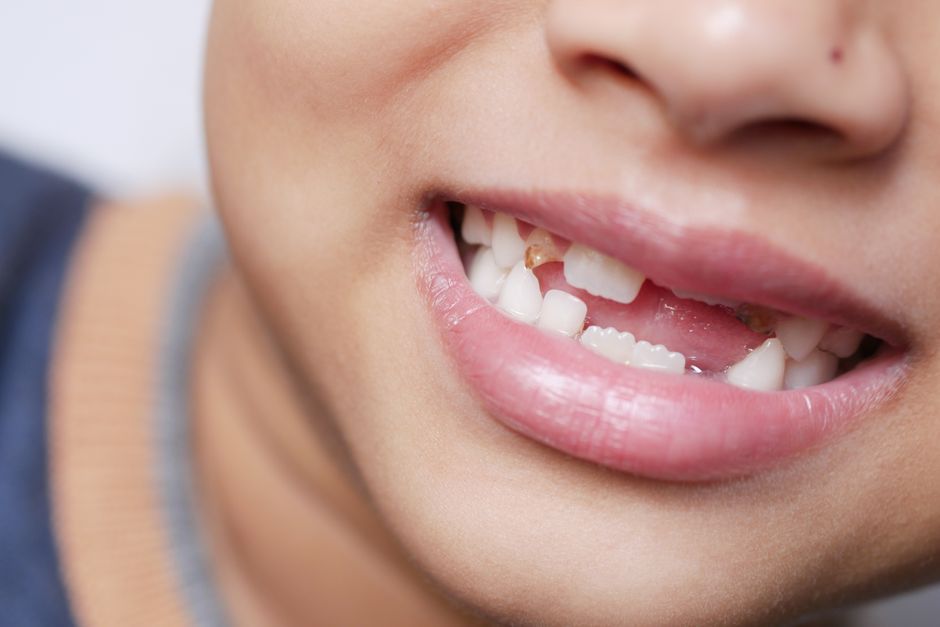
A crown for a baby tooth is a small cap that covers a tooth too damaged by decay or injury to hold a filling, protecting it until it falls out naturally. Crowns may be stainless steel or tooth-coloured. At Yonsei Baro near Isu Station, Seoul, pediatric dentist Dr. Ho-seon Lee explains which option suits your child's tooth.
Baby-tooth crowns at a glance
| Question | At Yonsei Baro |
|---|---|
| When used | When a baby tooth has large or multiple-surface decay, is badly weakened, or is badly chipped |
| Types | Stainless steel (silver-coloured) or tooth-coloured, depending on the tooth and situation |
| Visits | Often a single visit per tooth |
| How long it lasts | Designed to protect the tooth until it falls out naturally |
| Treated by | Dr. Ho-seon Lee, board-certified pediatric dentist |
When is a crown better than a filling?
Fillings work well for small and medium cavities. But when decay has destroyed a large part of a baby tooth, a filling can crack or fall out because there isn't enough healthy tooth left to support it. A crown covers the whole tooth instead, holding it together and sealing it from further decay.
Dr. Ho-seon Lee may recommend a crown when:
- Decay is large, deep or affects several surfaces of a back baby tooth.
- Deep decay has left a baby tooth fragile.
- A tooth has a developmental defect that leaves the enamel weak or sensitive.
- A front or back baby tooth is badly chipped after an injury.
- A child at high risk of decay has repeated problems with fillings on the same tooth.
For smaller cavities, a tooth-coloured filling is usually enough.
Why save a baby tooth at all?
Back baby molars often stay in the mouth until around ages 10 to 12. During those years they help your child chew, speak clearly and, importantly, hold space for the permanent teeth growing beneath them. Losing a baby molar too early can let the neighbouring teeth drift into the gap, which may crowd the adult teeth later.
If a baby tooth can't be saved and must be removed early, our orthodontist, Dr. Sally Chaekyung Lee, can advise whether a space maintainer is needed to keep room for the adult tooth.
Stainless steel or tooth-coloured crowns?
Stainless steel crowns
These pre-formed, silver-coloured caps are a long-established choice for back baby teeth. They are durable, cover the whole tooth and are often placed in a single visit. Their main drawback is appearance, which matters less on back teeth that are hard to see.
Tooth-coloured crowns
Tooth-coloured options blend in with the natural teeth and are often preferred for front teeth or for children and parents who would rather avoid a silver colour. Their suitability depends on the tooth, the bite and how much healthy tooth remains.
There is no single right answer for every child. Dr. Ho-seon Lee will explain the options for your child's particular tooth, including the advantages and limitations of each, so you can decide together.
What happens when a crown is placed?
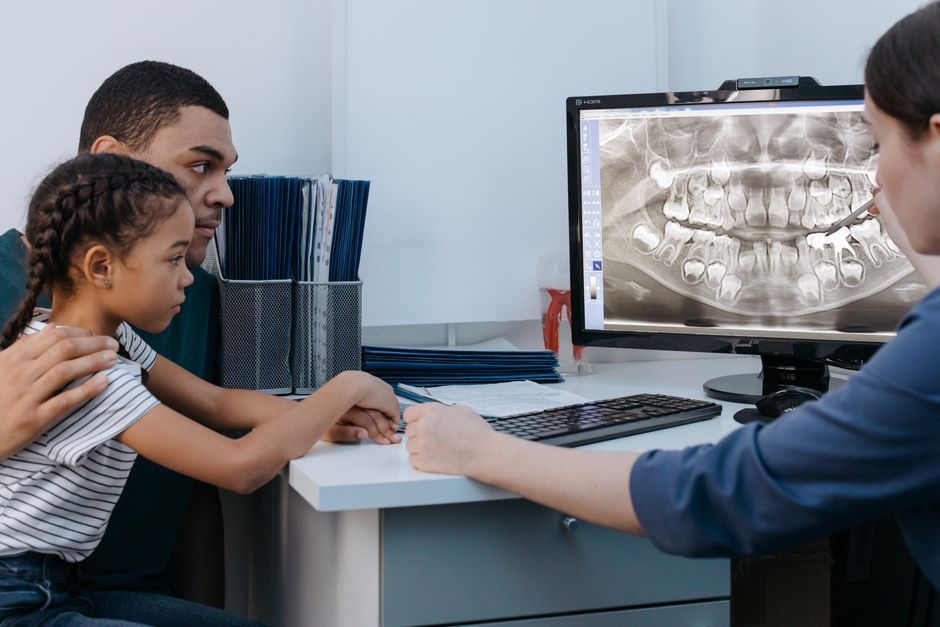
- The tooth is numbed with a gentle local anaesthetic, after a numbing gel on the gum.
- Decay is removed. If it is very deep, Dr. Ho-seon Lee will explain what this means for the tooth before going further.
- The tooth is shaped slightly so the crown fits over it.
- A crown of the right size is selected, adjusted and cemented in place.
- The bite is checked so your child can chew comfortably.
Pediatric dentists commonly explain each step in child-friendly words before doing it; ask us at booking how your child’s visit will be paced. For some anxious children, laughing gas (nitrous oxide) can help them feel calmer, if Dr. Ho-seon Lee considers it suitable.
Aftercare for a baby-tooth crown
- The lip and cheek may stay numb for one to three hours; watch that your child doesn't bite them.
- Gums around the crown may be a little sore for a few days. This usually settles with gentle brushing.
- Brush the crown like any other tooth, right along the gum line. Floss if teeth touch.
- Avoid very sticky sweets, which can pull on crowns.
- Call us if the crown feels loose, comes off, or the area becomes swollen or painful.
We check the crown at each check-up . When the permanent tooth is ready, the baby tooth and its crown usually loosen and fall out together.
Booking and English support
Let us know when you book that you'd like English support — Dr. Sally Chaekyung Lee and our team can help explain your child's care in English. Contact us for pediatric dentistry appointment times. If your child has toothache or swelling now, see our page on toothache and urgent care . Helping prevent the next cavity is just as important; our cavity prevention guide has practical tips.
Baby-tooth crown FAQs
Why would a baby tooth need a crown instead of a filling?
A crown is recommended when too much of a baby tooth has been lost to decay or injury for a filling to last. It covers the whole tooth, holding it together and protecting it from further decay until it falls out naturally. Your child's dentist will explain why a crown is suggested.
Are stainless steel crowns safe for children?
Yes. Pre-formed stainless steel crowns have been used on children's back teeth for many decades and are recommended by the American Academy of Pediatric Dentistry where appropriate. If your child has a known metal allergy, please tell us before treatment so Dr. Ho-seon Lee can consider tooth-coloured options instead.
Can my child have a white crown instead of a silver one?
Often, yes. Tooth-coloured crowns are an option for many baby teeth, especially front teeth. Whether they suit a particular tooth depends on how much healthy tooth remains, the bite and your child's ability to keep the area dry during treatment. Dr. Ho-seon Lee will explain the choices for your child's tooth.
Does a baby-tooth crown fall out with the tooth?
Yes. A crown on a baby tooth stays on until the tooth is naturally pushed out by the permanent tooth underneath. The baby tooth and crown usually loosen and come out together, just like any baby tooth. Your child may want to keep it, crown and all, for the tooth fairy.
Medically reviewed by Dr. Ho-seon Lee
Board-certified pediatric dentist (Korea Ministry of Health and Welfare) · Director of Pediatric Dentistry · Last updated October 2026
This page is general information, not a diagnosis. Every child is different; your child's dentist will recommend care after an examination. In an emergency involving breathing, heavy bleeding, a head injury or facial swelling spreading toward the eye or neck, call 119.
Talk to us about your child's tooth
Send us a message or book a visit, and we'll explain the options. Let us know you'd like English support. Isu Station Exit 2, Seoul · Contact us for pediatric dentistry appointment times.