
Home › Orthodontics › Clear Aligners for Teens
Clear aligners · Teenagers
Clear Aligners for Teens in Seoul: Invisalign and Angel Aligner
Clear aligners can straighten many teenagers’ teeth without brackets or wires, provided they are worn 20–22 hours a day. At Yonsei Baro near Isu Station, Seoul, Dr. Sally Chaekyung Lee checks whether aligners suit your teen’s bite and routine, and plans treatment around school, sport and music, in English.
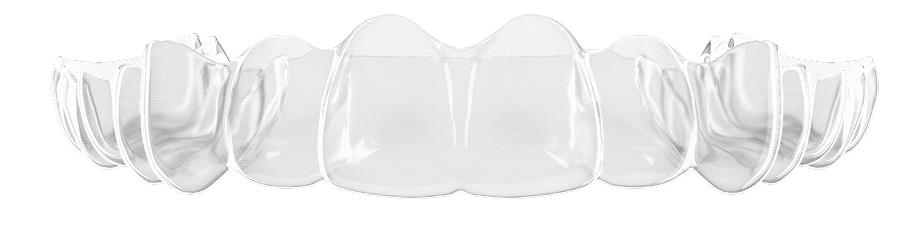
Clear aligners for teens at a glance
| Question | At Yonsei Baro |
|---|---|
| Systems offered | Invisalign and Angel Aligner |
| Daily wear | Usually 20–22 hours a day; out only for meals, drinks other than water, and brushing |
| Check-ups | About every 6–10 weeks, planned around the school timetable |
| After-school times | Mon & Thu until 9 PM; Saturdays 9 AM–2 PM |
| Lost or broken aligner | Message a photo on WhatsApp or KakaoTalk; we advise and arrange a visit |
| Treated by | Dr. Sally Chaekyung Lee, board-certified orthodontist and 2026 Invisalign® Purple Diamond Provider |
Are clear aligners a good choice for teenagers?
For many teenagers, yes. By around 12, most adult teeth have come in, and aligners can treat crowding, gaps and many bite problems. Teens often like that aligners are hard to notice in class photos and come out for meals, so there are fewer food rules than with braces.
The deciding factor is usually not the teeth but the routine. Aligners only move teeth while they are being worn. A teen who regularly leaves them in a pencil case will fall behind plan, and the case may need extra aligners or a switch to fixed braces . Dr. Lee talks this through honestly with both teen and parent before recommending aligners. For a side-by-side view, see braces vs clear aligners .
Which aligner systems do we use?
We offer Invisalign , planned in ClinCheck® software, and Angel Aligner , planned in iOrtho™ software. Both systems make aligners for each patient from their own digital scan. Dr. Lee chooses based on your teen’s case and explains why; our neutral comparison sets out the differences.
Dr. Lee is a 2026 Invisalign® Purple Diamond Provider. Provider tiers reflect how many Invisalign cases a doctor has treated, so they indicate experience, not a guaranteed outcome.
How do aligners fit into a teenager’s life?
School and exams
Aligners can be worn through lessons and exams. Speech may sound slightly different for a day or two with each new set, then usually settles. Check-ups are about every 6–10 weeks, and our Monday and Thursday evening hours and Saturday mornings help avoid missed classes.
Sport
Many teens keep aligners in for non-contact sport. For contact sports such as football, basketball, rugby or martial arts, ask Dr. Lee whether to wear a sports mouthguard instead during play, and put aligners back in straight afterwards. Always carry the case.
Wind and brass instruments
Most players adapt within a few practice sessions. Some prefer to take aligners out for long rehearsals; that time counts against the daily total, so it needs to be made up elsewhere.
Eating, drinking and snacking
Aligners come out for every meal and snack. Only plain water should be drunk with aligners in. Sugary drinks, sports drinks and milk tea trapped under the trays raise the risk of decay. Brush, or at least rinse well, before putting them back.
What happens if an aligner is lost or breaks?
It happens, most often at lunch when an aligner is wrapped in a napkin. Do not wait for the next appointment:
- Message us on WhatsApp or KakaoTalk with a photo of the teeth and the aligner number.
- We will tell you whether to wear the previous or the next set in the meantime.
- If a replacement or visit is needed, we arrange it.
Our page on braces and aligner problems covers other common issues, such as a sharp edge or an attachment that has come off.
How can parents help?
Teenagers want independence, so support usually works well when it is light-touch. Agree on a simple routine together, such as aligners in straight after breakfast and dinner, keep a spare case in the school bag, and check in occasionally rather than daily. Parents are welcome at consultations and check-ups, and Dr. Lee explains progress to both teen and parent in English. If your family may move abroad during treatment, tell us early; see moving during treatment .
Clear aligners for teens: FAQs
How many hours a day does a teenager need to wear aligners?
Most plans call for 20 to 22 hours a day, which means aligners are out only for meals, snacks and brushing. Wearing them through the night covers a large share of that time. Regularly falling short is the most common reason a teen’s treatment takes longer than planned.
Can my teen wear aligners while playing sports?
For many non-contact sports, yes. For contact sports, ask Dr. Lee whether to use a sports mouthguard during play instead. If aligners come out for a game or training session, they should go back in straight afterwards so daily wear time stays on track.
Will aligners affect my teen’s speech at school?
Some teenagers notice a slight lisp for the first day or two with each new set of aligners. It usually fades quickly as the tongue adjusts. Reading aloud at home for a few minutes can help. Persistent speech changes are uncommon, but let us know if they happen.
Are aligners or braces the more reliable option for teenagers?
Both are reliable when used as directed. Braces work continuously and do not depend on wear time, while aligners depend on the teen wearing them consistently. Some bite problems are more predictable with one or the other. Dr. Lee recommends an option after examining your teen and talking about their routine.
Does my teen need a retainer after aligner treatment?
Yes. Every case at Yonsei Baro finishes with retainers, because teeth tend to drift back toward their original positions, especially while a teenager is still growing. Dr. Lee chooses the type of retainer and wear schedule and continues to see your teen for retention check-ups.
Medically reviewed by Dr. Sally Chaekyung Lee, DDS, PhD
Board-certified orthodontist (Korea Ministry of Health and Welfare) · Adjunct Professor of Orthodontics, Yonsei University · Last updated October 2026
This page is general information, not a diagnosis. Treatment results and duration vary from person to person. Orthodontic treatment can cause temporary discomfort and, in some cases, root shortening, gum recession or tooth decay if oral hygiene is poor; teeth can relapse if retainers are not worn as instructed.
Find out if aligners suit your teenager
Book a consultation after school or on a Saturday. Dr. Lee will examine your teen and explain the options to both of you in English. Isu Station Exit 2 · Open until 9 PM Mon & Thu · Saturdays 9 AM–2 PM.